
Powerhouse Castle Hill improves efficiency with CIM
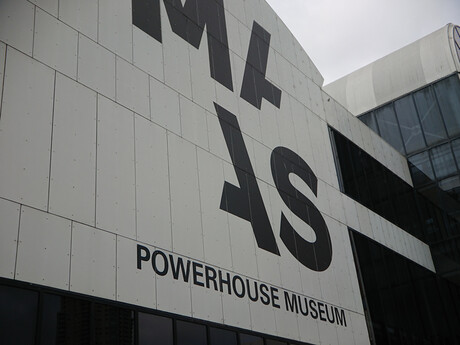
SaaS property analytics platform CIM has announced its partnership with Powerhouse Castle Hill, operated by the Powerhouse. As part of its focus on excellence and innovation, Powerhouse has engaged CIM to improve building efficiency, reduce carbon emissions and help create a superior visitor comfort experience, preserve sensitive artefacts and improve overall sustainability.
Located in Castle Hill in Sydney’s north-west, Powerhouse Castle Hill protects thousands of unique objects and acts as the storage site for the Powerhouse, Australian and Sydney Living museums. The project will allow the museum to leverage CIM’s PEAK Platform to optimise building performance through facilitation of greater temperature and humidity control, and to continuously monitor existing building equipment to ensure maximum operational efficiency.
The partnership underscores Powerhouse’s commitment to embedding sustainability into its operations and ensuring its newest site achieves its environmental ambitions. CIM powers resource-efficient and environmentally responsible buildings by providing data-driven insights to maximise operational efficiency and rapidly reduce energy consumption.
“Managing the operations of a complex public asset like a museum is uniquely challenging. It is a delicate balancing act to preserve sensitive and valuable collection items while maintaining visitor comfort and operating the buildings sustainably. CIM’s platform will enable us to take a precise and consistent approach to managing the site, ensuring reduced carbon emissions, a more comfortable climatic experience and protecting collections for future generations,” said Carmel Reyes, Sustainability Manager, Powerhouse.
CIM’s platform harnesses building analytics, machine learning and artificial intelligence to deliver immediate insights into building operational performance. It identifies and facilitates quick resolution of inefficiencies in large plant and equipment such as heating, ventilation and air-conditioning systems, significantly improving operational efficiency and reducing carbon emissions.
NSW Government to introduce facial recognition at gambling venues
Facial recognition will be mandated at hotels and clubs with gaming machines as part of a move to...
NSW opens hospital command centre to handle winter demand
The Health System Operations Command Centre will help coordinate hospital capacity, ambulance...
LGA SA releases review into council culture
A review into council culture and leadership has identified 10 key findings and made...


